The United Nations and Myanmar


Introduction
“No commitment, peace wastes what is valuable.”
In the context of Myanmar, this statement reflects a difficult reality: without sustained political will—domestically and internationally—peace efforts lose momentum, trust erodes, and human potential is squandered.
For decades, Myanmar has experienced cycles of military rule, partial democratic reform, ethnic conflict, and renewed instability. The role of the United Nations has been central in diplomacy, humanitarian coordination, human rights monitoring, and peace advocacy. Yet, meaningful and lasting peace requires more than statements and resolutions—it demands commitment from all actors.
This article explores how the absence of firm commitment has affected Myanmar’s peace process and how stronger international engagement, particularly through the United Nations, can help preserve what remains valuable: human life, dignity, cultural heritage, and the hope of future generations.
Myanmar’s Political and Conflict Background


4
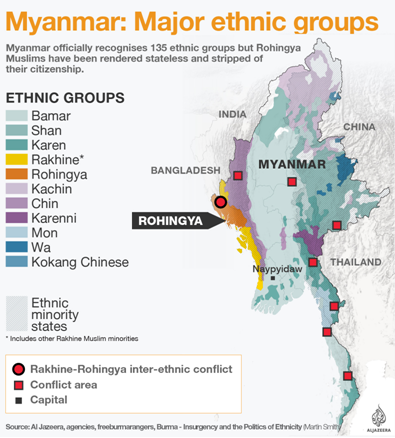
Myanmar (officially the Republic of the Union of Myanmar) gained independence in 1948. Since then, it has experienced:
- Long periods of military governance
- Ethnic armed conflicts in border regions
- Brief democratic transitions
- Renewed military intervention in politics
Decades of conflict have impacted infrastructure, economic development, and social trust. Ethnic minority regions, in particular, have faced prolonged instability.
The cost of conflict is not only political—it is human. Displacement, poverty, interrupted education, and weakened institutions create generational consequences. When peace processes stall due to lack of commitment, the country loses invaluable time and opportunity.
The Role of the United Nations in Myanmar


4
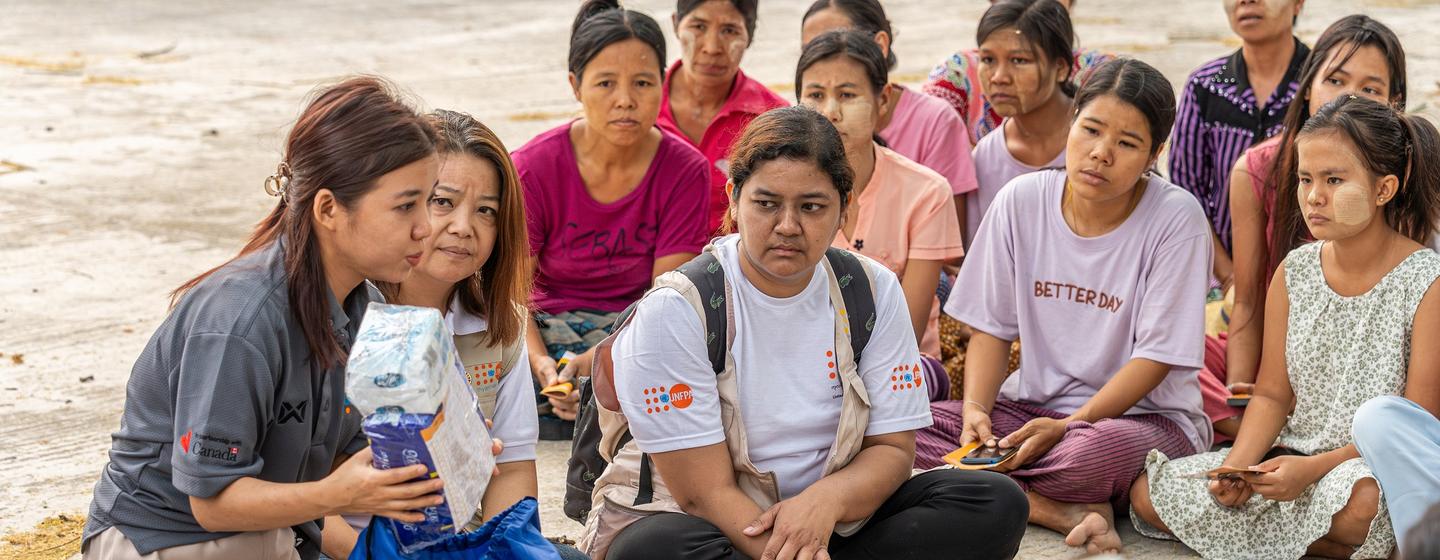
The United Nations has engaged in Myanmar through multiple channels:
1. Humanitarian Assistance
UN agencies provide:
- Food aid
- Healthcare services
- Shelter support
- Educational programs
Organizations such as UNICEF, UNDP, and WFP operate across conflict-affected regions.
2. Human Rights Monitoring
The UN has appointed Special Rapporteurs to document human rights conditions and report to the international community.
3. Diplomatic Mediation
The UN Secretary-General and Security Council have issued statements and resolutions encouraging dialogue and inclusive political solutions.
4. Refugee and Displacement Support
The UN works with neighboring countries to assist displaced populations and refugees.
However, the effectiveness of these efforts depends on consistent international backing and unified diplomatic resolve.
“No Commitment” – What Does It Mean?
Peace initiatives often fail not because solutions are impossible—but because commitment is inconsistent.
Lack of commitment may include:
- Inconsistent diplomatic pressure
- Limited enforcement of resolutions
- Fragmented international response
- Short-term political calculations
- Insufficient follow-through on negotiations
When global attention shifts elsewhere, Myanmar’s crisis risks becoming prolonged and normalized.
Peace requires:
- Long-term diplomatic engagement
- Coordinated international policy
- Economic and humanitarian support
- Inclusive political dialogue
Without these, peace processes weaken, and conflict dynamics harden.
What Is Being Wasted?
1. Human Capital
Myanmar has a young population with strong entrepreneurial and cultural potential. Ongoing instability disrupts education and professional development.
2. Cultural Heritage
Myanmar is home to ancient cities, pagodas, literature, and diverse ethnic traditions. Conflict threatens preservation and tourism-driven livelihoods.
3. Economic Growth Opportunities
Foreign investment, trade development, and infrastructure modernization require political stability. Without commitment to peace, economic opportunity is lost.
4. Regional Stability
Myanmar’s position in Southeast Asia makes it strategically significant. Instability affects neighboring countries and regional cooperation.
The Importance of Sustained International Engagement
For the United Nations to play a meaningful role in Myanmar’s peace process, several principles are essential:
1. Consistency Over Symbolism
Statements must be paired with measurable actions and follow-up mechanisms.
2. Inclusive Dialogue
Peace efforts must include:
- Civilian representatives
- Ethnic minority groups
- Women and youth voices
- Civil society organizations
3. Coordinated Global Strategy
Major global powers must align their approaches. Divided international responses reduce leverage.
4. Long-Term Vision
Peacebuilding is not immediate. It requires years of structured commitment.
Myanmar’s Path Forward
Sustainable peace in Myanmar will require:
- Genuine national reconciliation
- Constitutional and governance reform
- Strengthening civil institutions
- Economic recovery strategies
- Continued humanitarian access
The United Nations can facilitate and support, but lasting peace must ultimately be driven by the people of Myanmar themselves.
International actors must ensure that their involvement does not fade with headlines. Peace is not achieved through declarations—it is achieved through persistence.
The report of the United Nations Human Rights Council (A/HRC/42/CRP.3) provides detailed findings on economic networks linked to conflict in Myanmar.
Conclusion
“No commitment, peace wastes what is valuable” is more than a phrase—it is a warning.
Myanmar’s greatest assets are its people, culture, and resilience. Every year of stalled diplomacy and fragmented international engagement risks eroding these foundations.
The United Nations has a vital role in encouraging dialogue, coordinating humanitarian aid, and maintaining global attention. But peace demands sustained and unified commitment from both domestic leaders and the international community.
Without it, opportunities for reconciliation and recovery may be lost. With it, Myanmar can still reclaim stability, dignity, and development.
For a broader historical overview of Myanmar’s political leadership, see Myanmar.com’s Who’s Who in Myanmar directory.
Frequently Asked Questions (FAQ)
1. What role does the United Nations play in Myanmar?
The United Nations provides humanitarian assistance, human rights monitoring, and diplomatic engagement to encourage peaceful resolution of conflict.
2. Why has peace in Myanmar been difficult to achieve?
Complex political history, ethnic conflicts, governance challenges, and inconsistent international engagement have slowed progress.
3. Does the UN control Myanmar’s political decisions?
No. The UN does not govern Myanmar. It supports dialogue and international cooperation but cannot impose domestic political outcomes.
4. What is needed for sustainable peace in Myanmar?
Inclusive dialogue, consistent international support, economic stability, and long-term political reform are key elements.
5. How does instability in Myanmar affect the region?
Instability can lead to refugee flows, economic disruption, and security concerns in neighboring countries.
6. Can international commitment really change outcomes?
Sustained diplomatic, humanitarian, and economic engagement increases the likelihood of negotiated solutions and reduces prolonged conflict.